Melgita Font: Friendly Handwritten Style for Business Branding
Building a recognizable brand as a small business owner often comes down to the details. While your product quality and customer service are paramount, the visual language you use to communicate with your audience sets the first impression. Finding a typeface that balances personality with professionalism can be a challenge, especially when you want to avoid looking too corporate or too messy. Melgita is a cute and casual handwritten font that offers a solution for entrepreneurs seeking a friendly, approachable aesthetic without sacrificing legibility. This script font brings an incredibly warm feel to creative projects, making it an excellent choice for businesses that rely on personal connection and artisanal quality.
Defining the Personality of Melgita
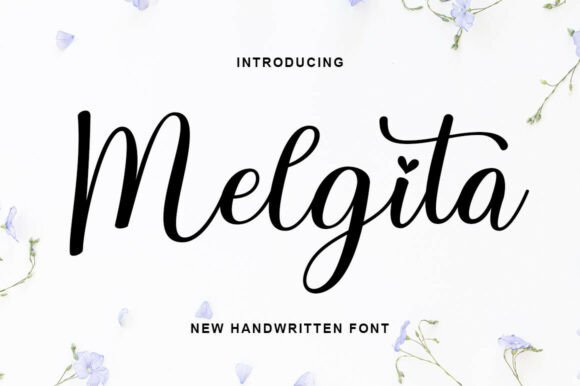
Melgita falls into the category of modern handwritten fonts that mimic natural penmanship while maintaining the consistency required for commercial design. Unlike chaotic scratchy scripts or overly formal calligraphy, this typeface sits in a sweet spot of casual elegance. The letterforms are rounded and open, creating a sense of transparency and welcome. For a business owner, this visual tone translates directly to brand perception. When customers see Melgita on your packaging or social media, they subconsciously associate your brand with attributes like friendliness, creativity, and accessibility.
This font works exceptionally well for industries where trust and warmth are key selling points. If you run a bakery, a handmade candle shop, a boutique, or a coaching service, the sterile look of standard system fonts might feel disconnected from your values. Melgita bridges that gap by adding a human touch to your digital and physical assets. It feels personal, as if you wrote the message yourself, which is invaluable for building relationships with clients in a crowded marketplace.
Practical Applications Across Business Touchpoints
Versatility is crucial when investing in premium font assets for your business. You need a typeface that performs well across various mediums, from tiny product labels to large website banners. Melgita shines in several specific business applications where a display font needs to capture attention quickly.
- Product Packaging and Labels: For handmade goods, beauty products, or food items, Melgita adds an artisanal flair to labels. Its clear character shapes ensure that product names remain readable even at smaller sizes, which is essential for compliance and customer experience.
- Social Media Graphics: Instagram and Pinterest rely heavily on text overlays. This font creates engaging headlines for quotes, announcements, or promotional graphics that stop the scroll without looking aggressive.
- Thank-You Cards and Inserts: Enhance the unboxing experience by using Melgita for printed thank-you notes or care instruction cards. It reinforces the personal touch that distinguishes small businesses from big-box retailers.
- Website Headers and Banners: Use this script font for hero text or section dividers on your site to break up blocks of body copy and guide the user’s eye through your content.
- Menus and Signage: Cafés and restaurants can utilize Melgita for daily specials or menu categories to create a relaxed, inviting atmosphere that encourages customers to linger.
Establishing Consistency and Professionalism
A common mistake among new entrepreneurs is using too many different decorative fonts, resulting in a disjointed brand identity. Consistency builds trust, and Melgita can serve as a reliable anchor for your visual branding. By selecting one primary script font for your headlines, logos, and accents, you create a cohesive thread that runs through every customer interaction. When a client sees your Instagram post and then receives your package, the matching typography confirms they are in the right place.
However, professionalism also means knowing when not to use a decorative typeface. Melgita is best utilized as a headline, logo, or accent font rather than for long paragraphs of text. For body copy, terms of service, or detailed product descriptions, pair it with a clean sans serif font or a highly readable serif font. This hierarchy ensures that your marketing materials are not only beautiful but also functional. The contrast between the expressive curves of Melgita and the structured lines of a supporting typeface creates a balanced, sophisticated layout that looks intentional and polished.
Readability and Real-World Testing
While aesthetics matter, functionality drives sales. Before committing Melgita to your entire brand identity, conduct practical readability tests. Print out your proposed label designs at actual size to ensure the intricate details of the handwritten style do not bleed together when ink hits paper. Test your social media templates on a mobile device to verify that the text is legible against busy backgrounds or complex photography.
Consider the context of your specific industry. A wedding stationer might use Melgita extensively for invitations where readers have time to appreciate the details. Conversely, a fast-casual restaurant might restrict its use to large signage where quick recognition is necessary. Understanding these nuances prevents design choices that look good on a computer screen but fail in the hands of a customer. Always prioritize clarity over decoration, especially for critical information like pricing, ingredients, or contact details.
Strategic Font Pairing for Brand Assets
To maximize the impact of Melgita, thoughtful font pairing is essential. Because this typeface has significant personality and visual weight, it requires a partner that provides stability. A geometric sans serif font often complements Melgita beautifully, offering a modern counterpoint to its organic flow. Alternatively, a classic serif font can add a touch of heritage and tradition, which works well for established boutiques or legacy brands.
When designing your brand kit, establish clear rules for usage. Decide whether Melgita will be used exclusively for your logo and major headings, or if it will also appear in pull quotes and captions. Documenting these guidelines helps maintain consistency as your business grows and you potentially hire freelancers or virtual assistants to handle design tasks. Providing them with a clear style guide ensures that your brand voice remains authentic, regardless of who is creating the assets.
Licensing and Commercial Usage
As a business owner, protecting your enterprise includes respecting intellectual property rights. Before using Melgita on any commercial project, verify the licensing terms provided by Script Amp or the respective foundry. Personal use licenses typically do not cover business activities such as selling products, creating client work, or monetized content creation.
Ensure you acquire the appropriate commercial license for your specific needs. Some licenses cover basic branding and social media, while others may be required for merchandise, digital downloads, or high-volume printing. Investing in the correct license not only keeps your business compliant but also supports the type designers who create these valuable tools. Viewing font licensing as a legitimate business expense rather than an afterthought demonstrates professional integrity and safeguards your brand against future legal complications. By treating typography as a strategic asset, you elevate your business from a hobby to a professional operation capable of lasting growth.